



The Rise of “Regenerative” Business: Moving Past Sustainability
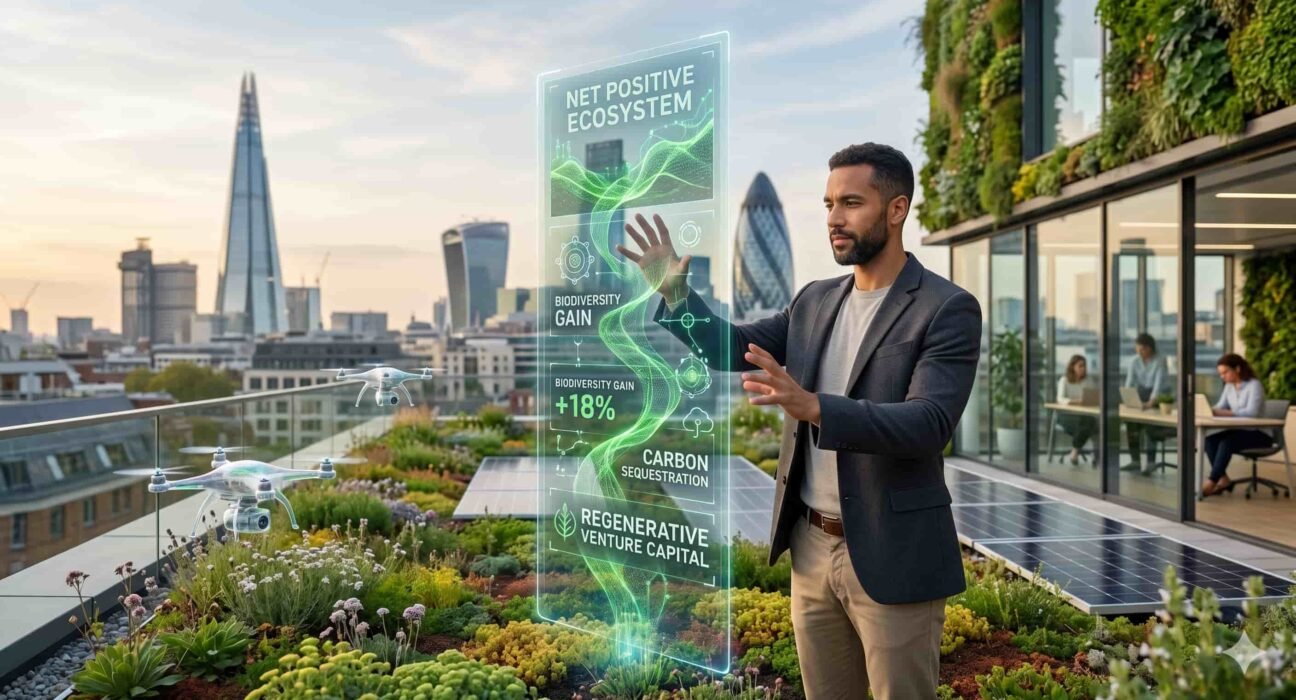
Why European VCs are backing models that restore, not just protect.
For the last decade, “Sustainability” was the gold standard for European startups. However, in 2026, simply “doing no harm” is no longer enough to attract top-tier venture capital. We are witnessing the era of Regenerative Business Models—companies built to actively restore local ecosystems and social fabrics while generating profit.
The Shift from “Net Zero” to “Net Positive”
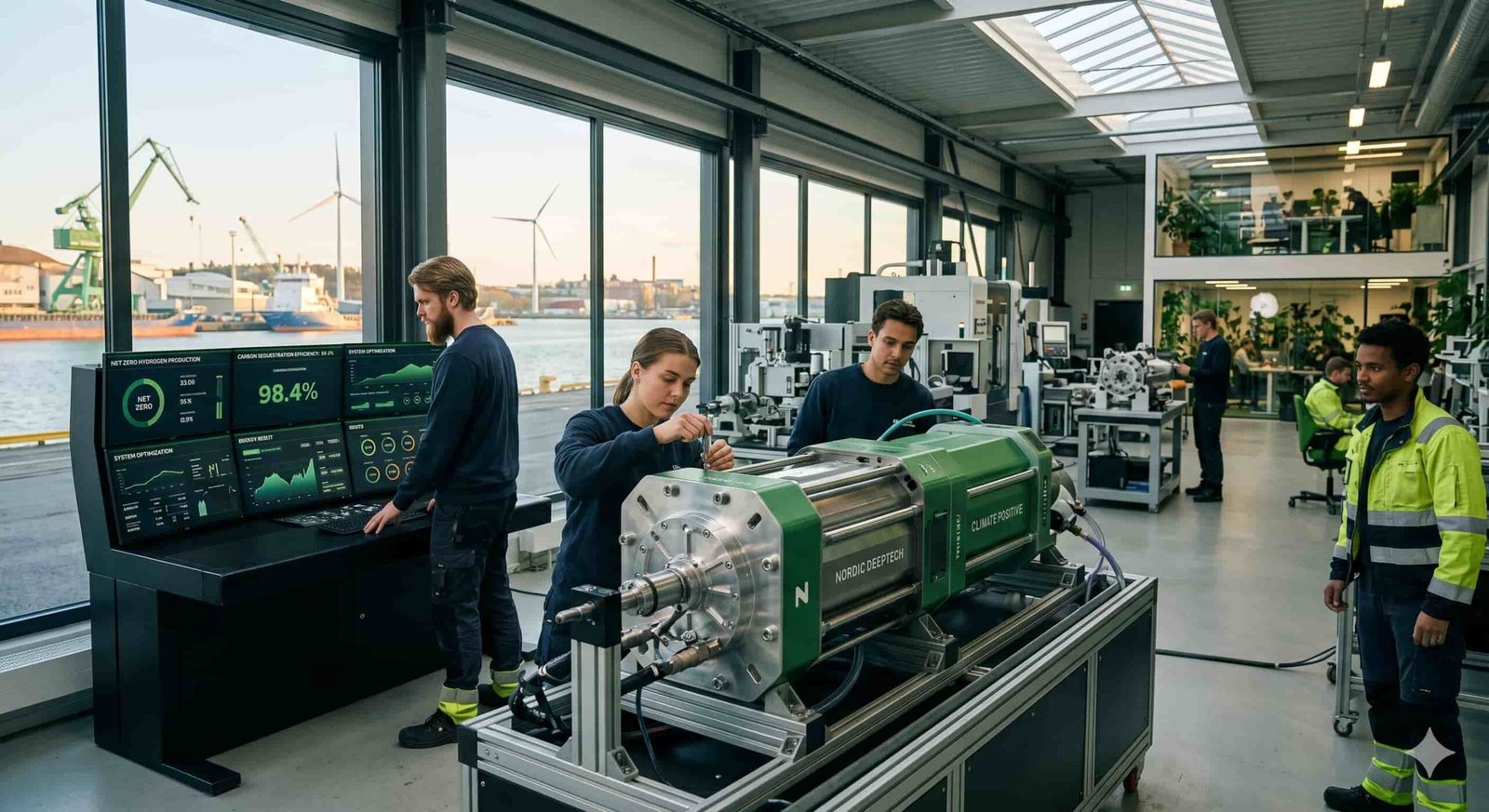
While sustainability focuses on maintaining the status quo, regeneration focuses on improvement. European VCs, led by impact-focused funds like Maia Ventures and The Footprint Firm, are shifting their theses. They are looking for “Carbon Negative” pioneers and “Biodiversity Positive” agritech. For instance, Nordic startups are now deploying soil-restoration tech that doesn’t just reduce chemical runoff but actively rebuilds the nutrient density of depleted European farmland.
Why Investors are Moving Now
- Regulatory Alpha: With the EU’s Nature Restoration Law now in full effect, companies that improve ecosystems are seeing faster permit approvals and tax incentives.
- Resource Resilience: Regenerative models often create closed-loop supply chains, making them immune to the global resource shocks we’ve seen in early 2026.
- Consumer Loyalty: Gen Z and Gen Alpha consumers are demanding “Product-to-Planet” transparency. They want to know that buying a jacket helped reforest a valley, not just “saved” a few liters of water.
The message for CEOs is clear: if your business isn’t leaving the world better than you found it, your valuation in 2026 will likely suffer.