

Urban Gardening for Offices: The Power of the “Green Wall”
The psychological and branding benefits of Biophilic Design in the 2026 workspace.
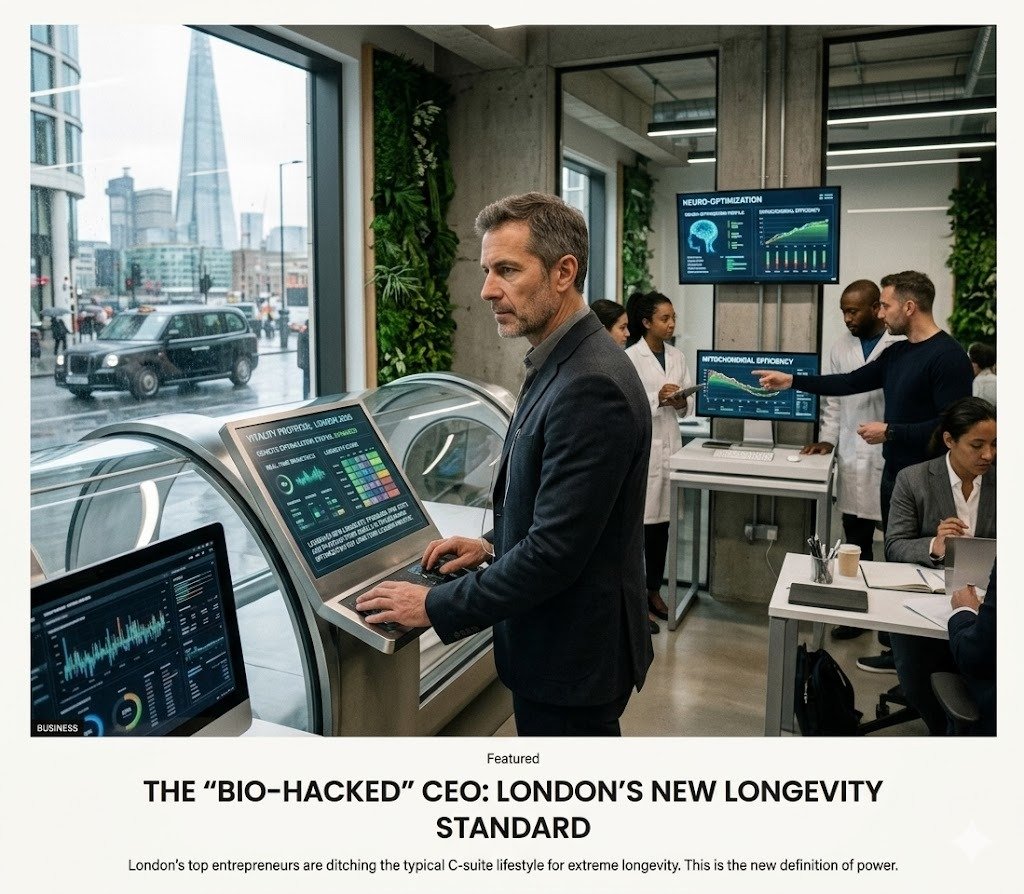
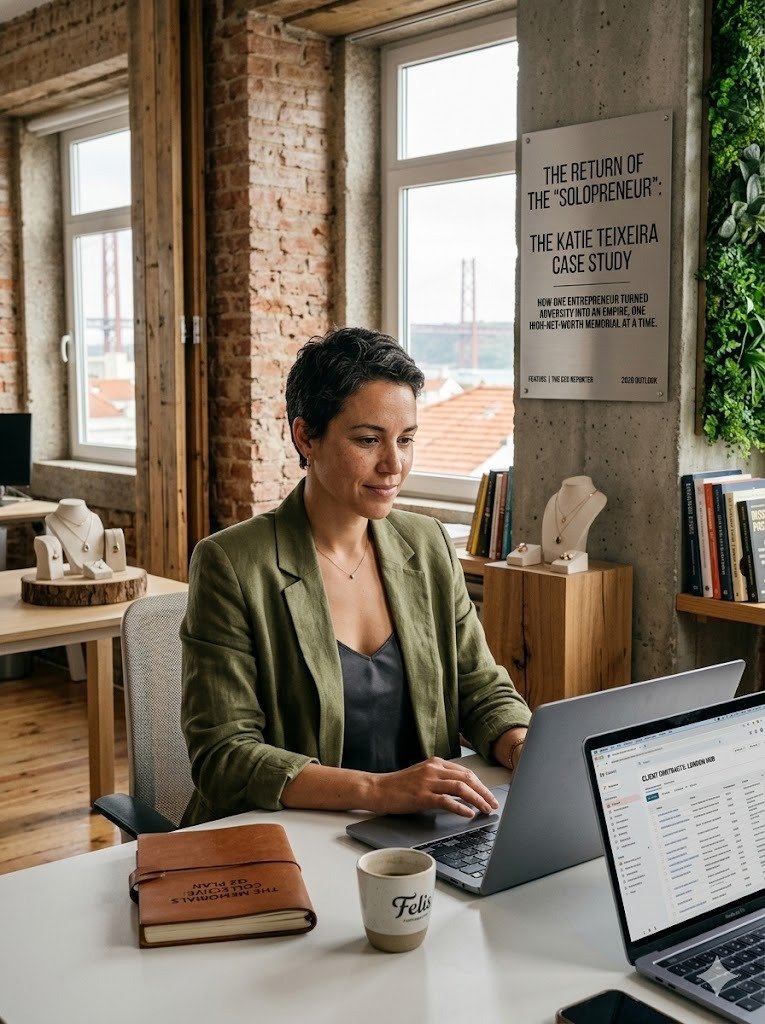
The “Grey Office” is a relic of the past. In 2026, the most prestigious offices in London, Paris, and Stockholm look more like greenhouses than cubicles. Urban Gardening and “Green Walls” have moved from being a “nice-to-have” aesthetic to a core pillar of corporate wellness and branding.
The Biophilia Effect
Science has long proven that “Biophilia”—our innate connection to nature—drastically reduces workplace stress. European startups are seeing a 15% increase in productivity and a 30% reduction in sick days after installing indoor gardens. These aren’t just decorative; many office “Green Walls” in 2026 are functional, growing herbs and microgreens used in the company cafeteria.
Branding Through “Living” Architecture
A massive moss wall or an indoor vertical farm in the lobby sends a powerful message to clients and talent: “We are sustainable, we are healthy, and we are invested in the future.” For the CEO, an office garden is a “living” brand asset that improves air quality, dampens noise, and—most importantly—creates an environment where employees actually want to be, effectively solving the “return-to-office” challenge of the mid-2020s.